In South Africa, there is a deeply entrenched, traditional expectation that a man must be an unshakeable pillar of strength. Unmoving, quiet, and completely unaffected by physical or emotional pain. From a young age, many men are taught that visiting a doctor is a sign of weakness, and that “a man is a rock” who should simply “tough it out” and ignore physical discomfort.
This silence, however, is incredibly dangerous. Men consistently avoid seeking medical help, choosing to ignore subtle physical warning signs or skip routine medical check-ups entirely, which often allows treatable conditions to escalate into life-threatening crises. Real strength is not about suffering in silence; real courage is knowing your body, walking into a medical clinic, and taking charge of your long-term health.
South Africa’s Quadruple Burden of Disease
To understand why proactive medical care is so vital, one must look at the unique healthcare landscape of South Africa. Our country faces what medical experts call a “quadruple burden of disease”, a complex reality where citizens navigate multiple overlapping health challenges at once.
For men, these overlapping issues typically include chronic lifestyle diseases, infectious illnesses, mental health conditions, and respiratory infections. Avoiding the doctor’s room does not make these risks disappear; it only prevents you from finding out about them until it is too late.
The Danger of Lifestyle Illnesses
Chronic lifestyle conditions are highly prevalent among South African men, and they are notorious for developing silently without presenting any noticeable early symptoms.
- Hypertension (High Blood Pressure): Widely referred to as the “silent killer”, hypertension has no obvious warning signs but can cause strokes and heart attacks. The only way to detect it is through regular blood pressure screenings. Managing it effectively requires active lifestyle modifications such as reducing your dietary salt intake, limiting alcohol, and walking for at least 30 minutes every day – as well as taking prescribed medication.
- Diabetes: Type 2 diabetes is another rapidly growing concern. High blood sugar acts like a slow poison, damaging blood vessels, kidneys, eyes, and nerves over time. Identifying early signs that include constant thirst, frequent urination, and slow-healing cuts and getting a simple yearly blood glucose check are critical first steps to preventing severe complications.
Critical Male-Specific Health Risks
- Prostate Health: Prostate cancer remains one of the most significant health threats facing South African men, particularly as they age. After the age of 40, men must prioritise their health screenings, which should include a prostate examination and a PSA (Prostate-Specific Antigen) blood test. Waiting for symptoms to show, such as waking up frequently at night to urinate, a weak or interrupted urine stream, or blood in the urine, is a gamble you cannot afford to take, as early-stage prostate cancer is highly treatable when detected early.
- Sexual Health: Conditions like erectile dysfunction are often swept under the carpet due to embarrassment, yet clinical research shows that sexual dysfunction is frequently a crucial, early warning sign of underlying heart disease or diabetes. Rather than ignoring the issue, men are encouraged to consult their network GP to address the root physical cause.
Mind Matters: Breaking the Mental Health Stigma
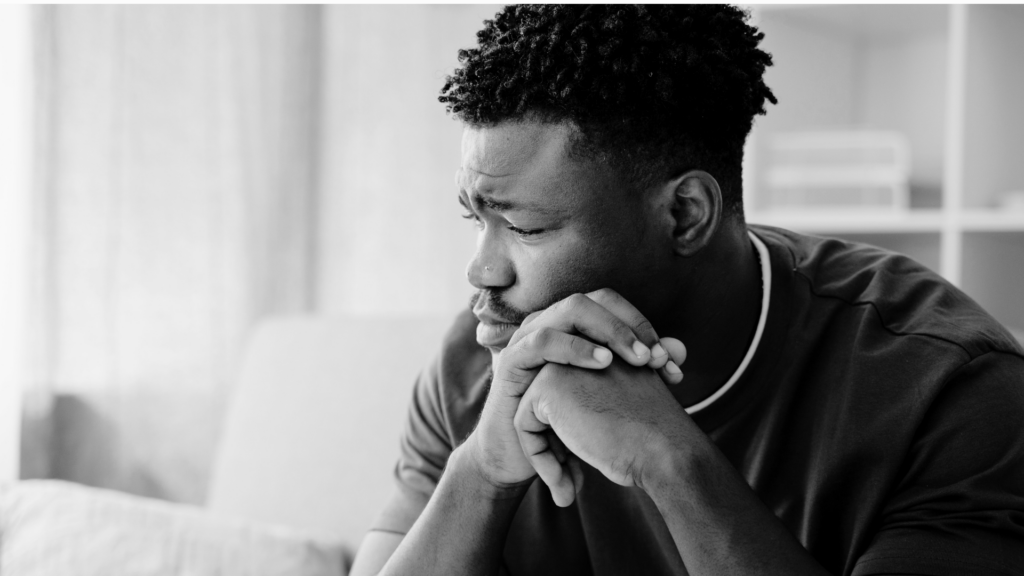
Mental health is one of the fastest-growing health concerns in South Africa today, with depression affecting many South Africans. Yet, men are significantly less likely to seek professional psychological help.
Depression in men does not always present as sadness; it frequently masks itself as persistent irritability, withdrawal, or anger. Many men turn to alcohol or drugs to cope with these overwhelming feelings. However, abusing substances only damages your physical health, worsens depression, and severely interferes with your ability to take prescribed medication consistently.
If you or a loved one is struggling to cope, remember that mental illness is a treatable clinical condition, not a personal failure. Reach out to the South African Depression and Anxiety Group (SADAG) on their free, confidential 24-hour helpline at 0800 567 567 or 0800 21 22 23 to speak with a trained counsellor.
How SAMWUMED Supports Your Health Journey
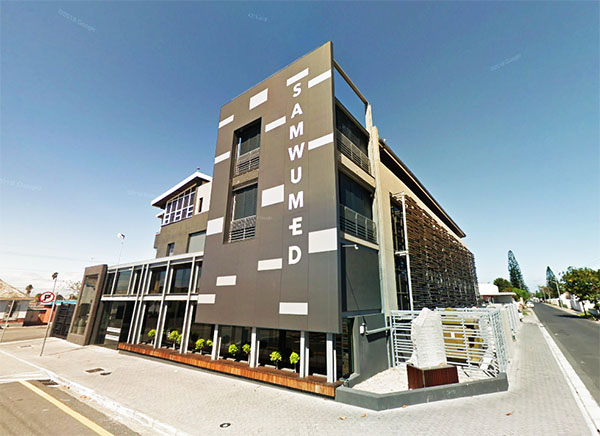
At SAMWUMED, we are dedicated to ensuring our members have all the support they need to live healthy, vibrant lives. We have structured our benefits to make preventative healthcare entirely accessible and free.