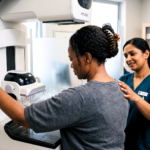
A woman’s body is a remarkable, ever-changing marvel that undergoes profound biological transitions across her lifetime. From the vibrant energy of youth and reproductive years to the transformative, beautiful journey of pregnancy, and finally to the natural, golden transition of menopause, each season brings its own physical changes, emotional milestones, and healthcare needs. Navigating these shifts should never be a source of anxiety or confusion. When you understand your body and have the right clinical support in your corner, you can embrace every single stage of life with confidence, dignity, and absolute peace of mind.
1. Laying the Foundation: Reproductive Health and Preventative Care
Your reproductive healthcare journey begins long before starting a family.
In South Africa, cervical cancer remains a leading cause of cancer-related deaths among women, yet it is highly preventable. The primary driver of cervical cancer is the Human Papillomavirus (HPV). Protecting the young girls and women in our households starts with early vaccination. A supportive medical plan covers the HPV vaccine (Dose 1 and Dose 2) under essential preventative benefits, building a strong, lifelong shield against this illness.
Beyond vaccination, active reproductive care involves regular check-ups. Your reproductive health checklist should include annual pelvic examinations and discussing family planning, sexual health, safe contraception, and any hormonal concerns. By establishing a trusting, ongoing relationship with your network doctor, you can identify and manage any reproductive irregularities such as severe menstrual pain or fibroids long before they lead to severe complications.
2. The Miracle of Motherhood: The Maternity Benefit Structure
For many women, pregnancy is one of life’s most meaningful and exciting adventures. However, growing a new life is also a demanding physical task that requires consistent, high-quality medical attention and careful planning. From your first positive pregnancy test to the moment your newborn baby takes their very first breath, the medical needs of both mother and child are constantly evolving.
To remove the financial anxiety of maternity care and ensure you have access to the absolute best private healthcare, having a healthcare plan with a comprehensive maternity programme is recommended. Here is a breakdown of what it would have as part of its benefits:
- Antenatal Consultations: Expecting mothers should be covered for regular antenatal check-ups with a gynaecologist, registered midwife, or clinic. These visits are crucial for monitoring your baby’s growth and tracking your blood pressure to prevent complications like pre-eclampsia.
- Ultrasound Scans: To enable you to watch your little one grow and receive vital clinical feedback on their development.
- Vitamins and Supplements: Essential folic acid and iron supplements are typically covered during your first trimester (first three months) to support your baby’s rapidly developing brain and blood cells.
- Maternal Health Screenings: To protect both mother and baby, the benefits must cover HIV screening in the first trimester. Knowing status early allows doctors to implement safe treatments that protect the baby from mother-to-child transmission.
- A Warm Welcome: Because welcoming a baby requires practical preparation, look for a scheme that provides a premium, physical Baby Bag packed with beautiful, high-quality newborn essentials upon registration.
- Postnatal Care: Care does not stop at birth. Look for benefits covering multiple postnatal appointments.
3. Securing Your Maternity Benefits Smoothly
To access a rich package of maternity care without any administrative stress or surprise out-of-pocket bills, there are simple guidelines every expecting mother must follow:
- Register Early: You should register your pregnancy on your medical scheme’s maternity programme as soon as you confirm your pregnancy, preferably within your first trimester, to unlock all benefits from day one.
- Stick to the Network: Always use obstetricians, midwives, and private hospitals within your scheme’s approved network of Designated Service Providers (DSPs). Choosing a non-network, non-DSP provider can result in a co-payment penalty (often up to 25%) that you will have to pay directly out of your own pocket.
- Get Pre-Authorisation: Pre-authorisation is strictly required for your hospital stay for delivery (whether natural or Caesarean section). To avoid a penalty, ensure your hospital booking is pre-authorised well before admission. Be aware of any procedural limits that might apply to Caesarean sections, unless it qualifies as a Prescribed Minimum Benefit (PMB) level of care.
4. Navigating the Golden Season: Embracing Menopause
As women reach their late forties and fifties, their bodies prepare for another major biological transition: menopause.
This is the natural cessation of the menstrual cycle, marked by a shift in hormones, particularly a decline in estrogen. Menopause is a completely normal phase of a woman’s life, yet the accompanying symptoms – such as hot flushes, night sweats, sleep disturbances, fatigue, and severe mood changes can sometimes feel overwhelming.
Menopause should be met with support and dignity, not embarrassment. Regular visits to your network GP are essential to manage these symptoms safely. Your doctor can guide you on lifestyle adjustments, discuss hormone replacement therapy (HRT) options if appropriate, and screen for silent post-menopausal risks like osteoporosis (weakened bones).
Because hormonal changes can significantly impact your emotional well-being, a supportive medical aid should stand in your corner with a dedicated Mental Health Programme. These programmes provide access to professional psychological counselling and stress-management resources to help you navigate the psychological shifts of this transition. Furthermore, because joint and bone health becomes crucial during this stage, women experiencing persistent joint or back pain should look for specialised rehabilitation programmes – such as a structured, clinically backed back and neck programme designed to treat physical pain non-surgically, avoiding invasive spinal surgeries and high out-of-pocket costs.
5. Conclusion: SAMWUMED Your Lifelong Health Partner
Whether you are in the spring of your youth, the summer of motherhood, or the autumn of menopause, every season of your life is beautiful, valuable, and worthy of care. This Women’s Month, take a moment to reflect on your own physical and mental needs, and make sure your medical aid is working as hard as you do.
For municipal and local government workers, SAMWUMED is proud to act as your true, lifelong health partner. With our benefit-rich safety net, including a comprehensive Maternity Programme (featuring up to 8 antenatal visits and the physical, premium SAMWUMED Baby Bag), the non-surgical DBC Back and Neck Rehabilitation Programme, full coverage for the HPV vaccine, and dedicated Mental Health support, we walk with you every step of the way.